
The Evolution of Casino Loyalty Programs
Casino loyalty programs have transformed significantly over the periods, becoming essential instruments for attracting and keeping players. In twenty twenty-three, the international casino market saw a one-fifth increase in player engagement due to enhanced loyalty initiatives, according to a document by the American Gambling Association. One prominent person in this evolution is Jim Murren, the ex CEO of MGM Resorts International. Under his guidance, MGM introduced the M Life Rewards system, which has set a standard for loyalty systems in the betting sector. You can track his perspectives on sector changes through his Twitter profile. Modern membership systems now present customized incentives, such as complimentary play, dining offers, and exclusive function admittance. For example, in 2022, Caesars Entertainment revamped its Total Rewards program, enabling members to earn credits not just for betting but also for accommodation stays and meal events. This comprehensive strategy has proven beneficial in enhancing client satisfaction. For more details on reward programs, visit New York Times. Moreover, tech plays a vital part in the development of these programs. Many gaming venues are now utilizing handheld software to allow participants to monitor their credits and redeem prizes smoothly. This convenience has led to higher engagement, as players appreciate the option to handle their incentives while mobile. Learn additional about these developments at cat casino. As customer systems keep to evolve, gaming venues must emphasize on clarity and worth to sustain player confidence. By offering significant incentives and guaranteeing a user-friendly encounter, gaming venues can foster long-term connections with their patrons, ultimately driving income growth.
Türkiye’deki Kumarhanelerin Yükselişi ve Geleceği
Türkiye’deki kumarhane sektörü, son yıllarda önemli bir gelişim göstermiştir. 2007 yılında yürürlüğe giren Kumar Yasası, yasal kumarhanelerin açılmasına olanak tanımış ve bu alanda düzenlemeleri sıkılaştırmıştır. Özellikle İstanbul, Antalya ve Bodrum gibi turistik bölgelerde birçok kumarhane faaliyet göstermektedir. Bu kumarhaneler, sundukları çeşitli oyun seçenekleri ve lüks hizmetleri ile dikkat çekmektedir. 2023 verilerine göre, online kumar platformları, kullanıcıların evlerinden çıkmadan oyun oynamalarına olanak tanımaktadır. Bu durum, özellikle genç nesil arasında popülerlik kazanmıştır. Online kumarhaneler, kullanıcı dostu arayüzleri ve çeşitli bonus seçenekleri ile oyunculara cazip fırsatlar sunmaktadır. Örneğin, 2022 yılında açılan bir online kumarhane, sunduğu yenilikçi oyunlarla dikkat çekmektedir. Daha fazla bilgi için 7 slots casino giriş adresini ziyaret edebilirsiniz. Gelecekte, Türkiye’deki kumarhanelerin daha fazla dijitalleşmesi ve sanal gerçeklik uygulamalarının yaygınlaşması beklenmektedir. Bu tür yenilikler, oyunculara daha etkileşimli bir deneyim sunma potansiyeline sahiptir. Ayrıca, mobil uygulamaların artması, oyuncuların istedikleri yerden oyun oynamalarına olanak tanıyacaktır. Kumarhane sektöründeki bu değişimlerin, sektörü nasıl etkileyeceği merakla beklenmektedir. Sonuç olarak, Türkiye’deki kumarhane sektörü, yasal düzenlemeler ve dijitalleşme ile birlikte önemli bir büyüme göstermektedir. Oyuncuların güvenliğini artırmak ve daha iyi hizmet sunmak için sürekli olarak yenilikler yapılmaktadır. Daha fazla bilgi için New York Times makalesini inceleyebilirsiniz.
The Importance of Responsible Gambling Practices
Responsible gambling is a vital aspect of the casino sector, ensuring that players involve in gaming pursuits safely and responsibly. In 2023, the American Gaming Group (AGA) reported that 75% of casinos in the U.S. have established responsible gaming schemes aimed at enhancing player protection and well-being. These programs include self-exclusion options, fund limits, and instructional resources to help players make knowledgeable decisions. One prominent advocate for responsible gambling is Dr. Rachel Volberg, a foremost researcher in the field. Her work focuses on understanding gambling conduct and developing effective prevention strategies. You can learn more about her achievements on her Twitter profile. In 2022, the Hard Rock Hotel & Casino in Atlantic City initiated a wide-ranging responsible gaming campaign, which included training staff to identify signs of problem gambling and providing resources for impacted individuals. Such actions are vital in creating a helpful environment for players and reducing the shame associated with seeking support. For more information on responsible gambling programs, visit National Council on Problem Gambling. Casinos are also employing technology to enhance responsible gambling measures. Many locations now offer programs that allow players to set boundaries on their expenditure and receive alerts when they near those thresholds. This forward-thinking approach not only supports players stay in charge but also promotes a safer gaming setting. Explore a system utilizing these technologies at казино пин ап. Ultimately, advocating responsible gambling methods is crucial for the long-term continuity of the casino industry. By emphasizing player protection and welfare, casinos can create a more enjoyable adventure for all while minimizing the threats associated with gambling.
Utvecklingen av Live Casino Spel
Live casino spel har revolutionerat spelarupplevelsen genom att förenkla lättheten av online spel med den autentiska miljön av fysiska casinon. Enligt en studie från Statista beräknas området för live casino spel öka med 20% årligen fram till 2026, vilket indikerar på den stigande intresset bland deltagare. Evolution Gaming, en nyckel aktör inom live casino, har varit i frontlinjen av denna framsteg. Företaget presenterar en serie olika spelandet, inklusive blackjack, roulette och baccarat, som streamas i realtid från yrkesmässiga studios. Du kan utforska mer om deras nyheter på deras officiella webbplats. En av de flesta spännande aspekterna av live casino spelande är samverkan. Deltagare kan prata med dealers och andra spelare via chattalternativ, vilket skapar en gemensam atmosfär som vanligtvis saknas i konventionella online casinon. Detta har bevisat sig vara speciellt tilltalande för unga spelare som letar efter en ytterligare engagerande erfarenhet. För att maximera din upplevelse är det avgörande att plocka en plattform som tillhandahåller kvalitets strömningar och expert dealers. Många casinon tillhandahåller även belöningar och kampanjer specifikt för live spelandet, vilket kan bidra extra nytta till din spelarupplevelse. För mer upplysningar om live casinon och deras vinster, gå till denna länk. Det är också avgörande att vara medveten om om regler och villkor för live spel. Flera plattformar har specifika krav för inbetalningar och uttag, så det är fördelaktigt att granska igenom de innan du börjar spelandet. Genom att vara välinformerad kan du förhindra överraskningar och njuta av en smidig spelarupplevelse. För mer tips och taktiker, titta in Golden Mina. Sammanfattningsvis erbjuder live casino spelandet en unik och intressant chans för deltagare att uppskatta av casinoupplevelsen hemifrån. Med korrekt val av system och en förståelse för spelets struktur kan deltagare förbättra sin njutning och eventuella vinster.
Logistics Aspects of Serving B2B and B2C Customers
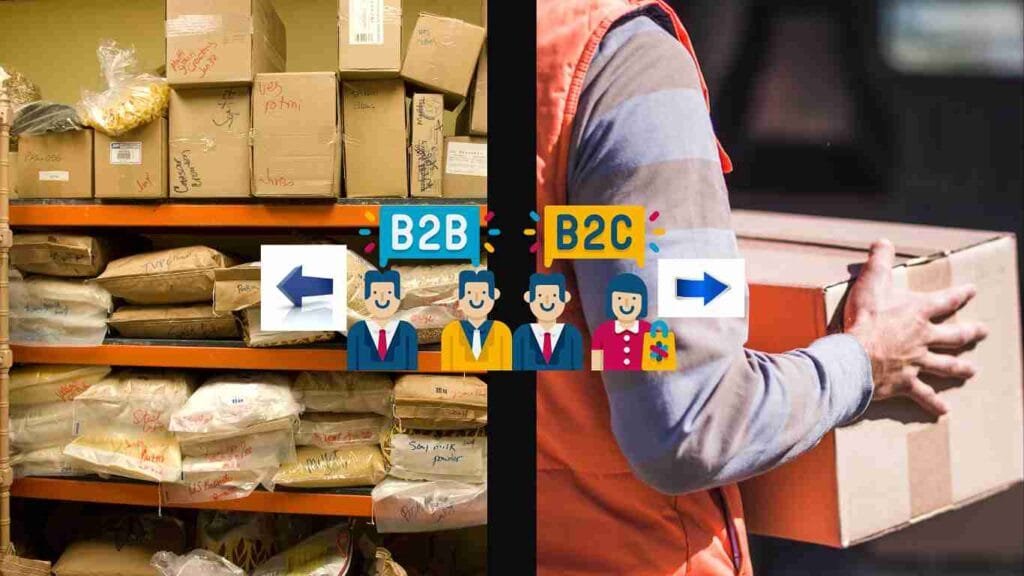
In today’s fast-paced global economy, logistics plays a critical role in meeting the ever-evolving demands of both B2B (Business-to-Business) and B2C (Business-to-Consumer) customers. Understanding the nuances of logistics for each model is essential for optimizing efficiency, reducing costs, and improving customer satisfaction. In this blog, we’ll explore the key logistics aspects involved in serving B2B and B2C customers, from inventory management systems to last-mile delivery services, and highlight sustainable logistics strategies that can enhance overall business operations. Understanding the Differences Between B2B and B2C Logistics Before diving into specific logistics solutions, it’s important to understand the primary distinctions between B2B and B2C logistics: Both B2B and B2C logistics require specialized strategies to ensure smooth and efficient operations, but the priorities and processes differ significantly. Key Logistics Aspects of Serving B2B Customers 1. B2B Logistics Solutions B2B logistics solutions are designed to streamline the supply chain and reduce the complexities involved in moving large quantities of goods from one business to another. These solutions often involve dedicated fleets, advanced route planning, and specialized handling for bulk shipments. Companies that specialize in B2B logistics must be able to handle international shipping, customs clearance, and regulatory compliance, especially when dealing with global supply chains. 2. Inventory Management Systems (IMS) Efficient inventory management is crucial in B2B logistics, where the scale of operations is typically much larger. A robust Inventory Management System (IMS) helps businesses keep track of their stock levels, optimize warehouse space, and ensure timely replenishment of goods. This is particularly important for manufacturers and wholesalers who deal with large volumes of goods that need to be delivered within specific time frames. 3. Supply Chain Management Services Effective supply chain management services are essential for B2B companies. These services help optimize the entire logistics process, from procurement to final delivery. By leveraging technologies such as AI and blockchain, companies can improve visibility across the supply chain, anticipate potential disruptions, and mitigate risks. B2B logistics often involves multiple stakeholders and partners, which makes robust supply chain management critical to ensure a seamless flow of goods. Key Logistics Aspects of Serving B2C Customers 1. Order Fulfillment for eCommerce For B2C businesses, order fulfillment for eCommerce is a critical component of the customer experience. Consumers expect fast and accurate order fulfillment, often with same-day or next-day delivery. To meet these demands, businesses must invest in efficient warehousing, picking, packing, and shipping processes. Companies can leverage third-party logistics (3PL) providers to handle fulfillment, allowing them to scale operations quickly and efficiently. 2. Last-Mile Delivery Services One of the biggest challenges in B2C logistics is last-mile delivery services. This is the final leg of the delivery journey from the distribution center to the consumer’s doorstep. Efficient last-mile delivery is crucial for ensuring timely and cost-effective delivery. With the rise of eCommerce, many businesses have turned to tech-driven solutions, such as route optimization software and delivery drones, to improve the efficiency of last-mile delivery. In fact, last-mile delivery services are one of the most searched logistics topics, with businesses continuously seeking new ways to optimize delivery times and reduce costs. 3. Returns Management Solutions Returns are an inevitable part of the B2C logistics process. A well-structured returns management solution helps companies handle returns swiftly and cost-effectively, which is crucial for maintaining customer satisfaction. A strong returns process not only involves reverse logistics but also integrates seamlessly with inventory management and order fulfillment systems to ensure that returned products can be restocked or resold quickly. Sustainable Logistics Strategies for B2B and B2C Businesses As businesses continue to scale, there is an increasing emphasis on sustainable logistics strategies that minimize environmental impact and reduce operational costs. Both B2B and B2C companies are adopting green logistics practices, such as: Sustainability is not just a buzzword; it’s a growing priority for both B2B and B2C companies aiming to meet consumer demand for environmentally responsible practices while improving their bottom line. Conclusion: Optimizing Logistics for Both B2B and B2C Success Logistics is the backbone of both B2B and B2C business models, but the approaches and strategies vary. B2B logistics focuses on large-scale operations, efficient supply chain management, and specialized solutions such as inventory management systems, while B2C logistics prioritizes fast, cost-effective order fulfillment, last-mile delivery services, and seamless returns management. By embracing the right logistics solutions, businesses can not only enhance operational efficiency but also improve customer satisfaction. Moreover, by incorporating sustainable logistics strategies, companies can future-proof their operations, contributing to both environmental sustainability and long-term profitability. To stay competitive in the dynamic logistics landscape, businesses must continuously evaluate their logistics strategies, invest in the latest technologies, and adapt to the changing needs of both B2B and B2C customers.
Logistics and Financial Management in Supply Chain: Key Strategies for Efficiency and Growth
In today’s interconnected world, Supply Chain Management (SCM) has evolved beyond just a network of suppliers, manufacturers, and distributors. The integration of Logistics Management and Financial Planning in Supply Chainplays a pivotal role in ensuring not only operational efficiency but also financial success. In this blog, we’ll explore how effective logistics and financial management can streamline processes, optimize costs, and mitigate risks in the supply chain. Understanding Logistics Management in Supply Chain Logistics Management refers to the detailed planning, implementation, and control of the movement of goods and services across the supply chain. This includes transportation, warehousing, inventory management, order fulfillment, and more. Efficient logistics are crucial to meeting customer demand on time and at a competitive cost. The role of logistics within Supply Chain Management goes beyond just getting products from point A to point B. It’s about ensuring that products are delivered at the right time, in the right quantity, and at the right cost—optimizing resources and improving the customer experience. This is where effective Warehouse and Inventory Management becomes a game-changer. The Importance of Warehouse and Inventory Management Effective warehouse and inventory management is vital to ensuring that your logistics operations run smoothly. Having the right inventory at the right time prevents stockouts, reduces overstock situations, and helps maintain a smooth flow of goods. With modern technologies like Inventory Management Software and Warehouse Automation, businesses can keep track of inventory in real-time, optimize storage space, and enhance order fulfillment efficiency. However, poor inventory management can lead to issues like excess stock, dead stock, or delays in shipping—affecting overall cost optimization and customer satisfaction. Financial Planning in Supply Chain: A Key to Profitability Financial Planning in Supply Chain is critical for ensuring that resources are allocated efficiently, investments are made wisely, and financial risks are managed properly. An integrated approach to financial planning allows supply chain managers to foresee potential disruptions, identify cost-saving opportunities, and optimize cash flow. For instance, Supply Chain Finance Solutions—a set of financial instruments and tools designed to optimize cash flow and reduce working capital requirements—can offer businesses a way to accelerate payments and secure better credit terms from suppliers. These solutions can be especially useful for companies facing tight liquidity or in need of smoother financial operations across their supply chain. Supply Chain Finance Solutions: Empowering Financial Efficiency Supply Chain Finance Solutions can reduce payment cycles and allow for more flexibility in transactions between suppliers and buyers. By leveraging technologies like dynamic discounting or reverse factoring, businesses can improve working capital, enhance supplier relationships, and streamline financial processes throughout the supply chain. This not only lowers the financial burden but also improves the stability of the entire supply chain ecosystem. Risk Management in Logistics: Safeguarding Your Supply Chain Risk Management in Logistics is essential to protect your business from potential disruptions. In global supply chains, risks such as natural disasters, geopolitical events, and supply shortages are always present. If not properly managed, these risks can lead to significant delays, increased costs, and loss of customer trust. A comprehensive risk management strategy involves identifying potential risks, assessing their impact, and creating contingency plans. Whether it’s through sourcing from multiple suppliers or investing in technology to predict disruptions, having a proactive approach to risk management can safeguard your operations and prevent costly delays. Cost Optimization in Supply Chain: Driving Efficiency One of the primary goals of both Logistics Management and Financial Planning in Supply Chain is cost optimization. With rising transportation costs, fluctuating fuel prices, and increasing labor costs, optimizing costs in the supply chain is no longer a luxury—it’s a necessity. Several strategies can help achieve cost optimization: Cost optimization in the supply chain not only ensures better profitability but also helps companies maintain competitive pricing in a rapidly changing market. Conclusion: A Unified Approach to Supply Chain Success Incorporating both logistics management and financial planning in supply chain offers businesses a holistic approach to maximizing supply chain performance. From warehouse and inventory management to cost optimization in supply chain, effective strategies across these areas can reduce inefficiencies, mitigate risks, and improve profitability. With the right blend of logistics expertise and financial foresight, companies can create more resilient, cost-effective supply chains that can weather disruptions and capitalize on new opportunities. By embracing Supply Chain Finance Solutions and applying robust Risk Management in Logistics, businesses can stay ahead in today’s fast-paced, competitive landscape. This approach will ensure that your supply chain not only runs smoothly but also remains profitable, adaptable, and sustainable in the long run. For expert solutions in logistics and financial planning, contact Aventex Consulting—your trusted partner in efficient supply chain management.
Truck Down on The Highway? Follow These 7 Easy Tips for a Quick Recovery!

When you’re driving a truck, especially a heavy-duty semi, encountering a breakdown on the highway is one of the most frustrating experiences. Whether you’re hauling goods across the state or simply commuting, being stranded can cause delays and potential losses. Fortunately, knowing what steps to take during a truck breakdown can save you time and stress. In this blog post, we’ll walk you through 7 essential tips to follow when your truck is down on the highway, so you can get back on the road safely and efficiently. From emergency truck towing to diesel truck roadside repair, these tips will help you stay calm and act quickly. 1. Ensure Your Safety First Your safety and the safety of others on the road should always be your number one priority. If your truck breaks down, stay calm and pull over to the side of the road as far as possible. Turn on your emergency flashers to alert other drivers, and if possible, set up reflective triangles or flares behind your truck to provide extra visibility, especially at night. Key Tips: 2. Call for Emergency Truck Towing or Roadside Assistance When your truck stops working, it’s essential to have a reliable roadside assistance for trucks provider on your side. Depending on the nature of the issue, you might need a diesel truck roadside repair or a full-scale tow to a nearby repair facility. Don’t attempt to fix major issues like engine trouble or brake failure yourself, especially on busy highways. Most towing services offer emergency truck towing for large vehicles like semis and big rigs. Whether it’s a breakdown due to engine failure, tire blowouts, or electrical issues, roadside assistance can send a specialized truck to help. Quick Tip: Search for “semi-truck repair near me” or “emergency truck towing” to find services near your location. 3. Assess the Situation – Is it Fixable on The Spot? If you’ve had a minor issue, like a flat tire or overheating, you may be able to resolve the situation without towing. In this case, call for diesel truck roadside repair services that can fix the problem quickly at the site. Many roadside assistance providers have mobile mechanics equipped to perform minor repairs and get you back on the road faster. Common Problems Repaired on Site: 4. Keep a List of Reliable Truck Breakdown Services One of the smartest things you can do is establish a relationship with a trusted truck breakdown service provider in advance. Whether you’re managing a single truck or an entire fleet, having a fleet roadside assistance plan will allow you to minimize downtime when problems arise. Benefits of Fleet Roadside Assistance: Establishing a contract with a reputable fleet roadside assistance provider can also give you access to more personalized service in the event of a breakdown. 5. Have a Roadside Emergency Kit Handy Preparation is key when you’re behind the wheel of a truck. Having a well-stocked emergency kit in your truck can help in minor breakdown situations, allowing you to make quick, temporary fixes and stay safe while waiting for professional help. Key Items for Your Roadside Emergency Kit: A roadside emergency kit isn’t a substitute for professional service, but it can be a lifesaver while you wait for help to arrive. 6. Monitor Your Truck’s Maintenance Regularly Preventing breakdowns is always better than dealing with them. Regular truck maintenance is essential to keeping your vehicle in optimal condition, especially if you rely on it for your livelihood. Ensure that routine checks for things like oil changes, tire pressure, brake inspections, and fluid levels are completed regularly. By staying on top of truck maintenance tips, you can avoid many common breakdown scenarios, such as engine failure or transmission issues. Key Maintenance Tips: 7. Know Your Repair Options When your truck breaks down, it’s important to know where to go for semi-truck repair near me or any other specific needs. If you need to tow your truck to a repair facility, choose one that specializes in large vehicle repairs and offers quick turnaround times. Many mechanics who handle diesel truck roadside repair are also available for more complex repairs at their facility. Things to Keep in Mind: Final Thoughts Breakdowns on the highway are an unfortunate reality of trucking, but with the right preparation and knowledge, you can turn a stressful situation into a manageable one. By following these 7 tips—from ensuring your safety to knowing when to call for emergency truck towing or diesel truck roadside repair—you’ll be in a much better position to get your truck up and running again without unnecessary delays. Whether you’re managing a fleet or simply a solo driver, having access to reliable roadside assistance for trucks and regular truck maintenance can make all the difference when the unexpected happens. Need support or have questions? Contact us through our Aventex Consulting Contact Form, and our team will be happy to assist you. By being proactive and prepared, you’ll be able to handle a truck breakdown with confidence and minimize downtime, keeping your business—or your personal schedule—on track. Safe driving!
10 Business Process Outsourcing Trends for 2024 You Need to Know

As we move into 2024, Business Process Outsourcing (BPO) continues to play a pivotal role in helping businesses streamline operations, improve efficiency, and focus on core competencies. The BPO industry is evolving rapidly, driven by technological advancements, changing business needs, and a focus on cost reduction and innovation. In this blog, we’ll explore the top outsourcing trends for 2024, including the impact of AI, BPO digital transformation, and the growing importance of customer service outsourcing. Understanding these trends will help companies stay ahead in a competitive market while maximizing the benefits of BPO. 1. AI in Business Process Outsourcing: Revolutionizing Operations In 2024, the integration of AI in business process outsourcing is expected to accelerate. Artificial Intelligence (AI) and machine learning are increasingly being used to enhance customer service, automate routine tasks, and improve decision-making. AI-powered chatbots, predictive analytics, and natural language processing (NLP) tools are helping businesses streamline their processes, reduce human error, and enhance the customer experience. The future of BPO will be heavily influenced by AI, making operations faster and more efficient. Key Benefits: 2. BPO Digital Transformation: Embracing Cloud and Automation Digital transformation is no longer optional for businesses looking to remain competitive. BPO digital transformation in 2024 will focus on leveraging cloud technologies, data analytics, and automation tools to optimize operations. Outsourcing providers are increasingly adopting cloud-based solutions, which offer scalability, flexibility, and greater collaboration between teams. As a result, businesses can access real-time data and gain better insights into their operations, helping them make more informed decisions. Key Benefits: 3. Outsourcing Automation Trends: Streamlining Processes for Greater Efficiency One of the biggest BPO technology trends in 2024 is the increased adoption of outsourcing automation. Automation tools and Robotic Process Automation (RPA) are transforming how businesses handle repetitive tasks like data entry, invoice processing, and payroll management. This shift allows companies to increase productivity, reduce human error, and lower costs, all while maintaining high levels of accuracy. Key Benefits: 4. BPO Cost Reduction Strategies: Maximizing ROI BPO cost reduction strategies will be a major focus for businesses in 2024, especially as companies seek to stay competitive while managing increasing operating expenses. By outsourcing non-core functions, companies can reduce overhead, minimize risks, and avoid the costs associated with hiring and training new employees. Outsourcing offers businesses the opportunity to tap into specialized expertise without the burden of in-house management, leading to a more efficient and cost-effective approach to business. Key Benefits: 5. BPO Trends in Customer Service: The Rise of Omnichannel Support In 2024, BPO trends in customer service will be heavily shaped by the growing demand for omnichannel support. Consumers today expect seamless interactions across multiple platforms, whether it’s through chat, social media, email, or voice. Outsourcing providers are increasingly adopting omnichannel customer support systems that integrate all these communication channels, ensuring businesses can provide consistent and efficient service to customers at all touchpoints. Key Benefits: 6. BPO Technology Trends: The Role of Blockchain in Outsourcin Blockchain technology is emerging as a game-changer in BPO technology trends. In 2024, blockchain is expected to gain traction in areas like supply chain management, contract management, and data security. By ensuring transparency, traceability, and security, blockchain will enhance the efficiency and trustworthiness of outsourced processes, particularly in industries such as finance, healthcare, and logistics. Key Benefits: 7. Top Outsourcing Trends for 2024: Hybrid Work Models and Global Talent Pools As remote work continues to dominate, hybrid work models will become more common in BPO arrangements. In 2024, companies will seek to tap into global talent pools for specialized outsourcing needs. The hybrid model allows businesses to blend in-house resources with outsourced talent, giving them flexibility and access to a diverse range of skills and expertise. This trend will help businesses meet fluctuating demand and address skill gaps in their workforce Key Benefits: 8. Benefits of BPO in 2024: Scalability and Business Agility The benefits of BPO in 2024 extend beyond cost savings. As companies continue to adapt to market changes, the ability to scale operations quickly and maintain business agility will be crucial. Outsourcing partners provide the resources needed to rapidly expand or reduce operations without the risks and challenges of hiring and training new employees in-house. This agility is particularly important for businesses navigating seasonal demands, new product launches, or entering new markets. Key Benefits: 9. AI and Automation in Outsourcing: Improving Decision-Making and Data-Driven Insights AI and automation are playing an increasingly prominent role in BPO technology trends. The integration of AI-driven analytics into outsourced processes allows companies to make data-driven decisions, predict trends, and uncover insights that were previously inaccessible. With the power of AI, businesses can optimize their outsourcing strategies, identify inefficiencies, and continually improve performance. Key Benefits: 10. Future of BPO Industry: Sustainability and Ethical Outsourcing As businesses face growing pressure to embrace sustainable practices, the future of the BPO industry in 2024 will be increasingly focused on ethical outsourcing and sustainability. Companies are increasingly looking for outsourcing partners who adhere to ethical labor practices, minimize their carbon footprint, and promote social responsibility. Sustainable BPO will be a key differentiator for businesses looking to build a positive reputation in the market. Key Benefits: Conclusion: Navigating the BPO Trends of 2024 for Success The Business Process Outsourcing trends in 2024 are largely shaped by technology, AI, and a growing demand for efficiency, scalability, and cost reduction. As businesses continue to adopt digital transformation and leverage automation in their outsourcing strategies, the future of the BPO industry looks promising. Whether you’re looking to improve customer service, reduce costs, or access specialized expertise, the top outsourcing trends for 2024 offer numerous opportunities to drive growth and innovation. By staying informed about these trends and integrating them into your business strategy, you can ensure your company remains competitive and ready to meet the challenges of the future. Looking to stay ahead of the competition in 2024? Discover how BPO technology trends and AI-powered outsourcing can help your business reduce costs and improve efficiency. Contact us today to learn more about our BPO services and how we can help you thrive in the digital age!
The Future of Work: The Impact of Remote IT Staff Augmentation in 2024
Introduction As the digital landscape continues to evolve, so do the ways in which companies are structuring their teams. One of the most notable shifts in the workforce is the rise of remote IT staff augmentation. With businesses increasingly relying on technology and innovation, the need for skilled IT professionals is higher than ever. However, traditional hiring methods are no longer the only option. IT staff augmentation services are becoming a crucial part of the strategy for many organizations seeking to stay competitive, streamline operations, and scale efficiently. In this blog, we’ll explore the benefits of remote IT teams, the future of remote work in IT, and how IT outsourcing and staff augmentation are shaping the future of the industry in 2024. What is Remote IT Staff Augmentation? Remote IT staff augmentation is the process of adding external IT professionals to your team without the need for long-term contracts or full-time employment. This model allows businesses to quickly scale up their IT teams by bringing in specialized talent for short-term or project-based work, often remotely. Companies can access top-tier expertise from anywhere in the world without the overhead costs associated with traditional hiring or maintaining a full-time in-house team. With IT staff augmentation services, businesses can hire skilled professionals on-demand, ranging from software developers and cybersecurity experts to cloud engineers and data analysts. This approach gives companies flexibility, reduces hiring risks, and enables access to a global pool of IT talent, making it a growing trend in the IT staffing landscape. Benefits of Remote IT Teams The shift to remote IT teams has brought about numerous benefits for organizations, especially in the face of ongoing technological advancements and changing workforce dynamics. Here are some of the key advantages of adopting a remote IT staff augmentation model: 1. Cost-Effective Talent Acquisition One of the most significant advantages of remote IT staff augmentation is the cost savings. Businesses can hire professionals at competitive rates without being restricted by geographical location. Remote IT teams eliminate the need for expensive office spaces, infrastructure, and employee benefits typically associated with in-house hires. As a result, companies can scale their IT teams quickly and efficiently while staying within budget. 2. Access to Global Talent With the world becoming more connected, organizations can tap into the best IT talent, regardless of location. IT staff augmentation services allow companies to work with professionals who bring specialized skills, knowledge, and experience. Whether you’re looking for expertise in cloud computing, machine learning, or cybersecurity, remote IT teams make it easier than ever to find the right talent for your project. 3. Increased Flexibility Remote IT support offers unmatched flexibility. Organizations can easily scale their IT teams up or down depending on the demands of a project or seasonal workload. This flexibility is especially important for businesses that need to adapt quickly to changes in technology or market conditions, allowing them to stay competitive without the long-term commitment of traditional hiring. 4. Faster Time to Market By augmenting your existing team with remote IT professionals, businesses can accelerate development timelines. With experts handling specific tasks or technologies, internal teams can focus on core business operations. This leads to faster project completion, quicker problem-solving, and ultimately, a faster time to market for products and services. 5. Diverse Perspectives Working with remote IT teams from different cultural and professional backgrounds can provide new perspectives and innovative solutions. The diversity of thought and problem-solving approaches can enhance the creativity and efficiency of your IT department, driving growth and better decision-making across the board. IT Outsourcing and Staff Augmentation: The Future of Remote Work in IT The future of remote work in IT is bright, with businesses embracing a hybrid approach that combines the best of both worlds: in-house teams and remote staff augmentation. The COVID-19 pandemic accelerated the shift to remote work, and now, more than ever, organizations are seeing the value in having access to a global talent pool. In 2024, the landscape of IT staffing trends will continue to evolve, with more businesses opting for IT outsourcing and staff augmentation to meet the growing demands for technology expertise. Here’s how the future is shaping up: 1. Increased Dependence on Specialized Talent As technology becomes more complex, the demand for specialized IT skills will grow. Instead of hiring full-time employees for every role, businesses will increasingly turn to remote IT staff augmentation to bring in experts for specific projects or technologies. This will drive growth in the IT outsourcing sector, where businesses can access high-level talent on-demand. 2. Greater Integration of Remote and In-House Teams Rather than choosing one model over the other, companies will look to integrate remote IT support with their in-house teams. This will foster collaboration between internal staff and remote professionals, ensuring that teams are well-rounded and equipped to handle complex challenges. Remote staff will support in-house teams by providing expertise in areas where internal resources may be lacking. 3. Increased Automation and AI-Driven Staffing With the rise of automation and artificial intelligence (AI), the future of remote IT teams will include more tools for managing talent and projects. AI-driven platforms will help companies identify the best candidates for specific roles, streamline the hiring process, and manage remote teams more effectively. These technologies will optimize the remote IT staffing experience, making it even easier for businesses to scale their IT operations. 4. Focus on Cybersecurity As cyber threats continue to evolve, businesses will prioritize cybersecurity expertise in their IT staff augmentation services. Remote IT teams with specialized skills in security will become essential in safeguarding data and infrastructure. This trend will likely increase in 2024 and beyond, with more companies seeking to bolster their IT security teams through remote IT support. IT Staffing Trends 2024: What to Expect In 2024, the IT staffing trends will be driven by the following key developments: 1. Continued Growth of Remote Work Remote work in IT will continue to thrive as more companies recognize the benefits of hiring professionals from around the world. Companies will increasingly embrace a remote-first approach, using IT staff augmentation to complement their existing teams and meet the demands of digital transformation. 2. Rise of Agile IT Teams Agile methodologies are becoming the standard in IT project management, and remote teams are well-suited for
CSA Points Guide: What You Need to Know to Stay Compliant and Safe
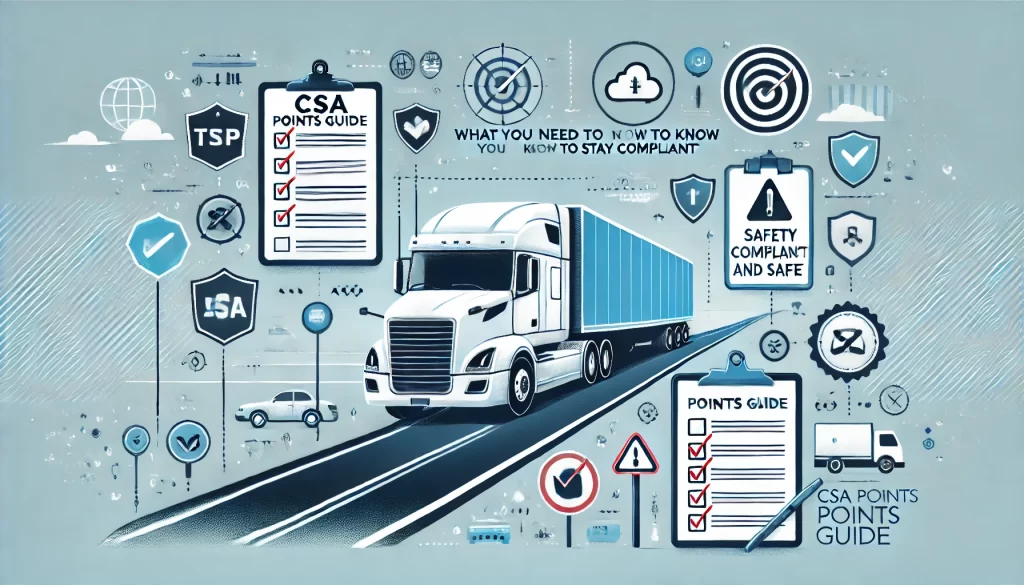
Introduction In the world of commercial transportation, understanding CSA points and how they affect your business is critical to ensuring safety, compliance, and operational efficiency. The Compliance, Safety, and Accountability (CSA) program, administered by the Federal Motor Carrier Safety Administration (FMCSA), tracks safety performance through a system of points that assess drivers and carriers. These CSA points are linked to various Behavior Analysis and Safety Improvement Categories (BASICs), which highlight areas that could affect your Safety Score. In this guide, we’ll explore the basics of CSA points, how violations impact your Carrier Safety Rating, and the role of Inspection and Maintenance in staying compliant. What Are CSA Points? CSA points are part of the FMCSA’s Compliance, Safety, and Accountability (CSA) program, designed to assess a carrier’s and driver’s safety performance. When violations occur during roadside inspections or audits, CSA points are assigned. The more severe the violation, the higher the number of points awarded. These points accumulate over time and are grouped under different BASICs categories to reflect various aspects of safety and compliance. The goal of the CSA program is to identify risky behaviors or operational issues before they result in accidents, injuries, or fatalities. A carrier’s Safety Score, which is based on the accumulation of CSA points, determines the level of monitoring and enforcement the company will face. The FMCSA uses these scores to prioritize safety interventions. Understanding the BASICs (Behavior Analysis and Safety Improvement Categories) The BASICs (Behavior Analysis and Safety Improvement Categories) are the seven key areas the FMCSA evaluates when assessing a carrier’s safety performance. Each category represents a specific area of compliance, and violations within these areas contribute to your CSA points. Here are the seven BASICs: How CSA Points Affect Your Safety Score Your CSA Safety Score is the result of accumulated CSA points across all of the BASICs. The Safety Score is used by the FMCSA and other entities like insurance companies, brokers, and shippers to evaluate your safety performance. Scores range from 0 to 100, with lower scores indicating better safety records. A high Safety Score can lead to significant consequences, such as a Conditional or Unsatisfactory Carrier Safety Rating, which could make it difficult to secure contracts or increase insurance premiums. Violations and Penalties: What You Need to Know Each violation that occurs during an inspection can add CSA points to your record, impacting your Safety Score. The severity of the violation, its frequency, and its relevance to safety determine how many points are assigned. Violations can range from minor paperwork errors to severe issues like brake failure or dangerous driving practices. Common violations include: The penalties for CSA violations vary, but in some cases, violations can result in fines, suspension of a driver’s Commercial Driver’s License (CDL), or even a suspension of the carrier’s operating authority. If a carrier’s Safety Score remains high for a prolonged period, the FMCSA may require corrective action plans or further monitoring. The Importance of Inspection and Maintenance for CSA Compliance One of the most effective ways to reduce your CSA points and improve your Safety Score is to ensure your vehicles are properly maintained and regularly inspected. The Vehicle Maintenance BASIC is a critical area for all carriers, as it directly impacts your CSA points. Tips for Improving Compliance and Preventing Violations: Conclusion: Stay on Top of CSA Points for Better Compliance and Safety Understanding CSA points, the BASICs, and how they contribute to your Safety Score is essential for keeping your fleet safe, compliant, and operating smoothly. The FMCSA’s CSA program is designed to help improve road safety by identifying risky behaviors early and encouraging carriers to improve their operations. By addressing violations proactively, maintaining vehicle maintenance, and ensuring your drivers stay compliant with safety regulations, you can lower your CSA points and improve your Carrier Safety Rating. This not only helps avoid penalties but also keeps your operations running smoothly and your reputation intact. Stay proactive, and stay compliant, and your CSA points won’t be a headache—just another tool for success on the road. Need help improving your CSA score or understanding FMCSA regulations? Contact us today to get expert advice and support to ensure your fleet stays compliant and safe!